Photography audiences are looking at images in a new way in 2026. A polished portrait can still stop the scroll, but viewers increasingly want to understand where an image came from, who made it and how it was edited. That shift matters for every independent studio, and especially for Indian model photography, where accurate credits and a recognisable creative voice help original work stand apart from copied, mislabeled or synthetic material.
Content Credentials are becoming one practical part of that conversation. The open C2PA standard can attach tamper-evident provenance information to a digital asset, offering a view of its origin and editing history. The Content Authenticity Initiative reported in January 2026 that credentials were moving beyond theory into cameras, professional workflows and consumer devices. C2PA then released version 2.3 in February, making it easier for creators to attach provenance data and for audiences to understand file history.
This does not mean a credential declares that a portrait is artistically good or completely untouched. The Content Authenticity Initiative explains that provenance provides context rather than a simple real-or-fake verdict. For photographers, the useful lesson is broader: document the author, model credit, capture source and editing process clearly. Consistent information across a website, image metadata and creator platforms gives viewers more reasons to trust the official source.
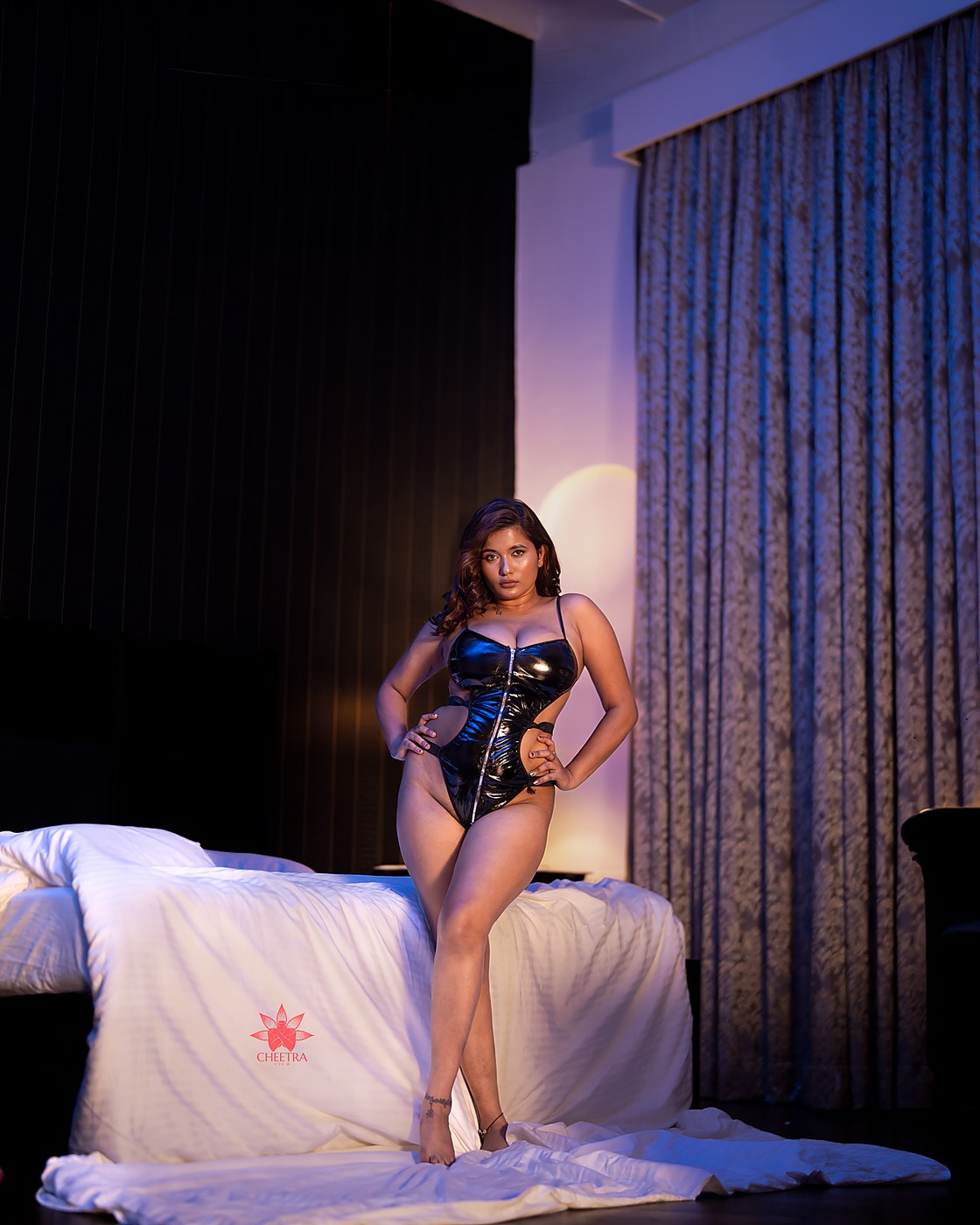
Cheetraview already builds that context through named model pages and specific visual descriptions. Shital Shaw's blue-lit corset boudoir, Sara Parveen's floral bedroom story and Rits Saha's graphic window-light portrait are not presented as anonymous Asian model photography. Each profile identifies the model, Kolkata setting and photographic direction, connecting the public image to a real studio catalogue. Correct aliases also matter because they help people reach the official page even when a name is commonly spelled in another way.
The same clarity supports boudoir photography India searches. Public Cheetraview pages use suitable SFW covers and editorial language, while any adults-only or uncensored material remains clearly separated on the official Patreon page under Patreon's access controls. That boundary protects the public viewing experience and gives adult visitors an honest explanation of what they can expect after following an official link.
Patreon's own discovery guidance, updated in August 2026, reinforces this trust-first approach. It recommends accurate taglines and descriptions, useful public or free posts and previews that let potential members sample a creator's work. Patreon also highlights lightweight public posts and creator collaborations as discovery signals. For Patreon model photography, a clear public journal can therefore do more than chase a keyword: it can explain the artistic idea, introduce the credited model and lead interested readers to the correct collection.
A practical publishing workflow is simple. Use the model's correct name, write a specific description of light and styling, preserve meaningful metadata, keep the public preview SFW and link only to official destinations. If a camera or editing application supports Content Credentials, creators can explore adding that provenance layer without replacing traditional copyright records, releases or careful file management.
For Cheetraview, visual trust comes from the full path: original photography by Cheetraview, model-specific portrait direction, transparent public presentation and a direct relationship with interested viewers. Cheetraview’s boudoir photography draws on Kolkata’s visual character and cinematic portrait direction. Its strongest search advantage is not repetition. It is a verifiable identity, a distinct image and a useful story around both.
Current sources