The most memorable editorial portraits do more than present a polished surface. They communicate confidence, emotion and a point of view. In a visual culture filled with flawless generated imagery, original photography gains value when viewers can feel the human decisions behind it.
Cheetraview uses real studio direction, considered styling and purposeful light to create that connection. Small details—an honest expression, the texture of fabric or the colour of a Kolkata interior—help an image feel specific rather than generic.
Authenticity does not mean leaving every technical problem untouched. Exposure, colour balance and distracting marks can be corrected while preserving the model's recognisable features, natural skin texture and the character of the original light. The useful boundary is intent: editing should help the photograph communicate what was present, not manufacture a different person or a false event.
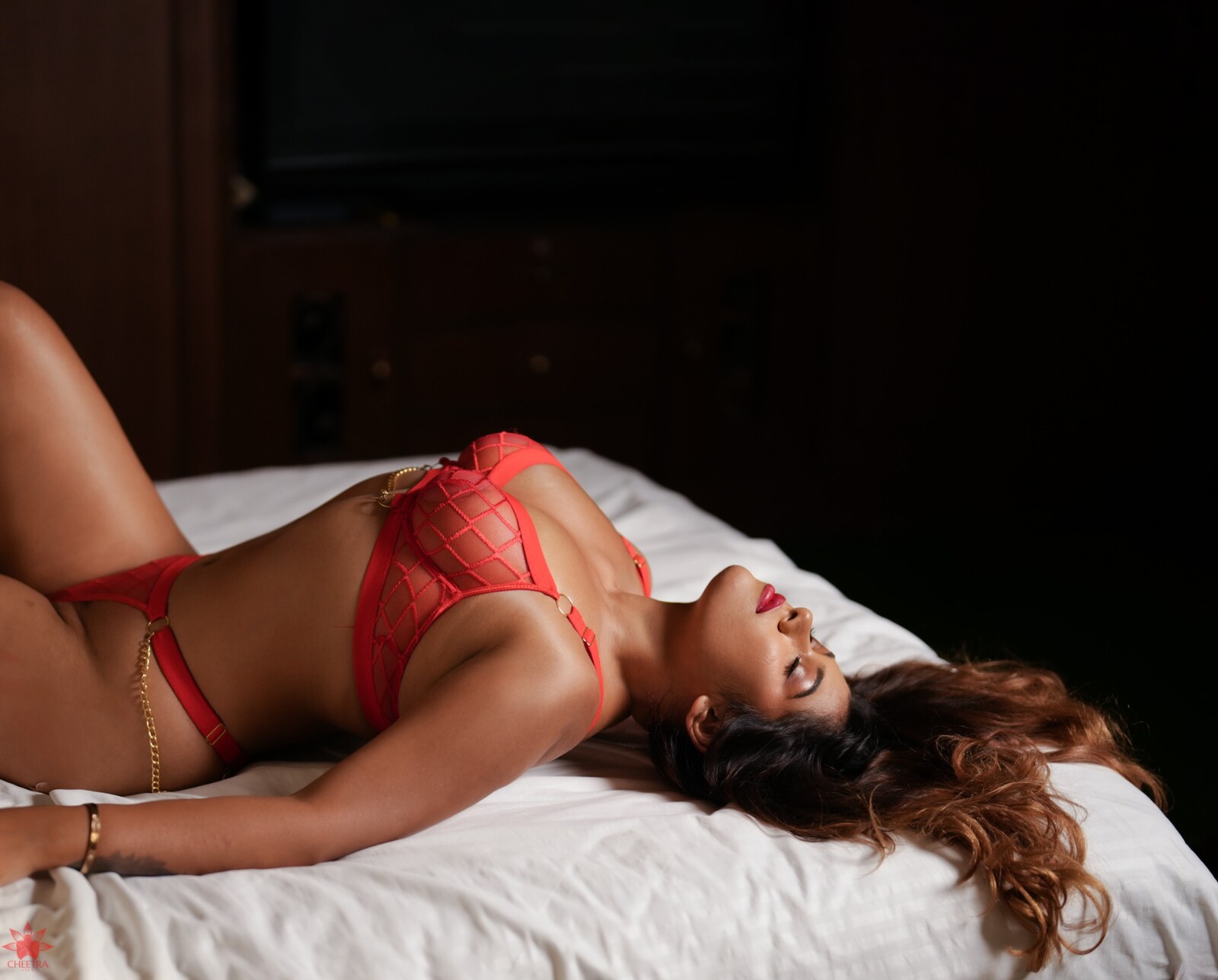
Sonali's official Cheetraview cover is a clear public example. She reclines across white bedding in vivid red lattice styling, with warm side light separating her from a dark bedroom background. The strong red, white and near-black palette gives the image an immediate identity. Accurate description can stay with those visible choices instead of assigning a personality, relationship or behind-the-scenes story that the studio has not recorded.
Expression develops through collaboration. Begin with a comfortable position and a clear purpose for the picture. Give one direction at a time, leave space for the model to adjust it and review whether the pose still feels natural. A slight change in gaze or hand position may communicate more than a completely new setup. The goal is not to catch an unguarded person; it is to create a portrait in which the model remains an active participant.
Wardrobe and location should also feel intentional. Indian editorial portrait photography can draw strength from local colour, textiles and interiors without turning them into decorative stereotypes. Check how fabric responds to the key light, how the background frames the body and whether a prop actually adds information. Remove elements that look fashionable in isolation but do not belong to the story.
A trustworthy publishing process keeps the credit and audience clear. Use the model's approved display name, write descriptive alt text and link to an official profile. If the work relates to boudoir photography in India, choose a genuinely SFW frame for the public website. Adults-only or uncensored material, when offered, stays in the appropriate Patreon context rather than being hinted at through an unsuitable public image.
For models and brands, a consistent visual story is easier to recognise than a collection of unrelated effects. Repeat the studio's standards—accurate colour, deliberate framing, correct credits and clear permission—while allowing each person and setting to change the result. That balance creates a Cheetraview photography identity without forcing every portrait into the same pose or grade.
Readers can compare that approach across the Cheetraview lookbook and Sonali's official model page, then return to the Cheetraview Journal for practical notes on lighting, posing and delivery. If you want to continue beyond the public site, current previews and membership information are available on the official Cheetraview Patreon page.